
What Happens Inside an Infected Tooth
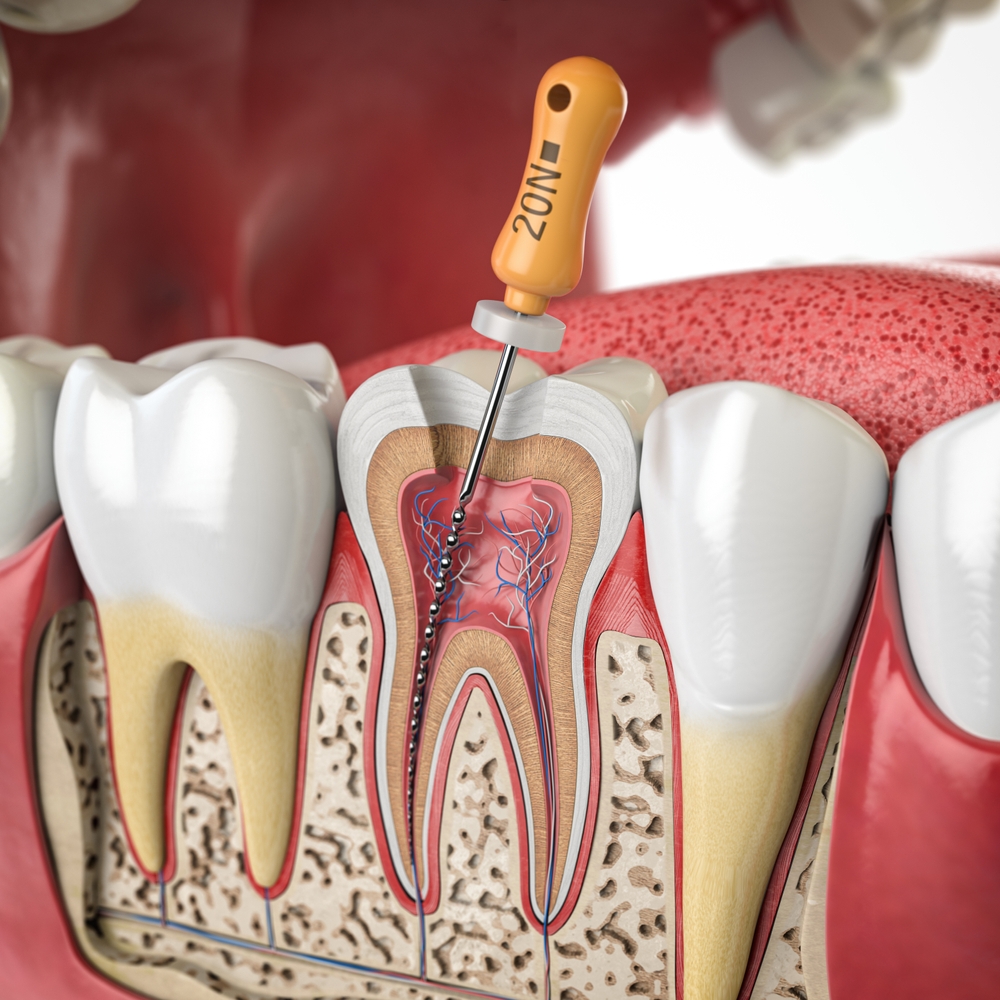
Your tooth has layers, like a house has rooms. The hard outer enamel protects the dentin underneath, which surrounds the pulp chamber at the center. This pulp contains nerves, blood vessels, and connective tissue that help the tooth develop. Once a tooth finishes growing, it can survive without the pulp because surrounding tissues continue providing nourishment.
Problems start when bacteria reach this inner chamber. Deep cavities, cracks, chips, or repeated dental procedures on the same tooth can create pathways for infection. Sometimes trauma damages the pulp even without visible cracks. The confined space inside your tooth means infected pulp has nowhere to drain, leading to pressure, inflammation, and significant discomfort.
Signs You Might Need Root Canals in Des Plaines
Pain Patterns
Severe toothache that wakes you up at night or throbs constantly often signals pulp involvement. The pain might spike when you bite down, consume hot or cold foods, or sometimes for no apparent reason. Some people experience sharp, shooting pain, while others describe a deep, persistent ache.
Visible Changes
Teeth with infected pulp sometimes darken or develop a grayish tint. You might notice swelling in the gums near the affected tooth, or a pimple-like bump that occasionally drains. Prolonged sensitivity to temperature—especially lingering pain after removing the hot or cold stimulus—indicates the nerve is compromised.
Silent Infections
Not every infected tooth hurts. Some people have no symptoms at all until a routine dental X-ray reveals infection at the root tip. This happens because the pulp can die without causing acute pain, but the infection continues spreading through the root canals into the surrounding bone.
The Root Canal Process
Modern root canals in Des Plaines differ drastically from outdated versions that earned the procedure its scary reputation. Advanced anesthetics ensure you feel pressure and movement but not pain. Many patients report that the experience feels similar to getting a filling.
The dentist starts by numbing the area thoroughly. A small opening in the tooth’s chewing surface provides access to the pulp chamber. Using specialized instruments, the dentist removes infected or damaged pulp tissue from the chamber and root canals. These canals get cleaned, shaped, and disinfected to eliminate bacteria.
Digital X-rays help the dentist navigate the canal system, which can branch and curve in complex ways. Thorough cleaning is essential because any remaining bacteria can cause reinfection. Once the canals are completely clean and dry, they get filled with a biocompatible material called gutta-percha that seals the space and prevents future bacterial invasion.
What Comes After
Most teeth that receive root canal therapy need crowns for protection. The procedure removes significant tooth structure, and teeth without a living pulp become more brittle over time. A crown reinforces the tooth so it can handle normal chewing forces without cracking or breaking.
You might experience some tenderness for a few days after treatment as the surrounding tissues heal from the infection. Over-the-counter pain relievers typically manage this discomfort well. The tooth itself won’t hurt because the nerve is gone, but the ligament holding the tooth in your jawbone can feel bruised.
Avoid chewing on the treated tooth until the permanent crown is placed. The temporary filling or crown isn’t designed to withstand full biting pressure. Once the final restoration is complete, you can use the tooth normally.
Comparing Your Options
When faced with a severely infected tooth, you essentially have two choices: root canal therapy or extraction. Extraction might seem simpler, but removing a tooth creates new problems. Adjacent teeth drift into the gap, your bite changes, and the jawbone where the tooth root was begins deteriorating.
Replacing an extracted tooth requires either a bridge (which involves altering neighboring teeth) or an implant (which costs significantly more than root canal treatment and takes months to complete). These options have their place, but preserving your natural tooth through root canal therapy is usually the most conservative and cost-effective approach.
Taking Action Quickly
Dental infections don’t improve on their own. Delaying treatment allows bacteria to spread, potentially leading to abscesses, bone loss, or infections that affect your overall health. The sooner you address the problem, the better your chances of saving the tooth with straightforward root canal therapy.
Pain is your body’s alarm system telling you something needs attention. Don’t ignore persistent toothaches or assume they’ll resolve without intervention. Contact Apple Family Dental in Des Plaines if you’re experiencing symptoms that might indicate an infected tooth. The team can evaluate what’s happening and discuss treatment options that get you out of pain while preserving your natural smile.